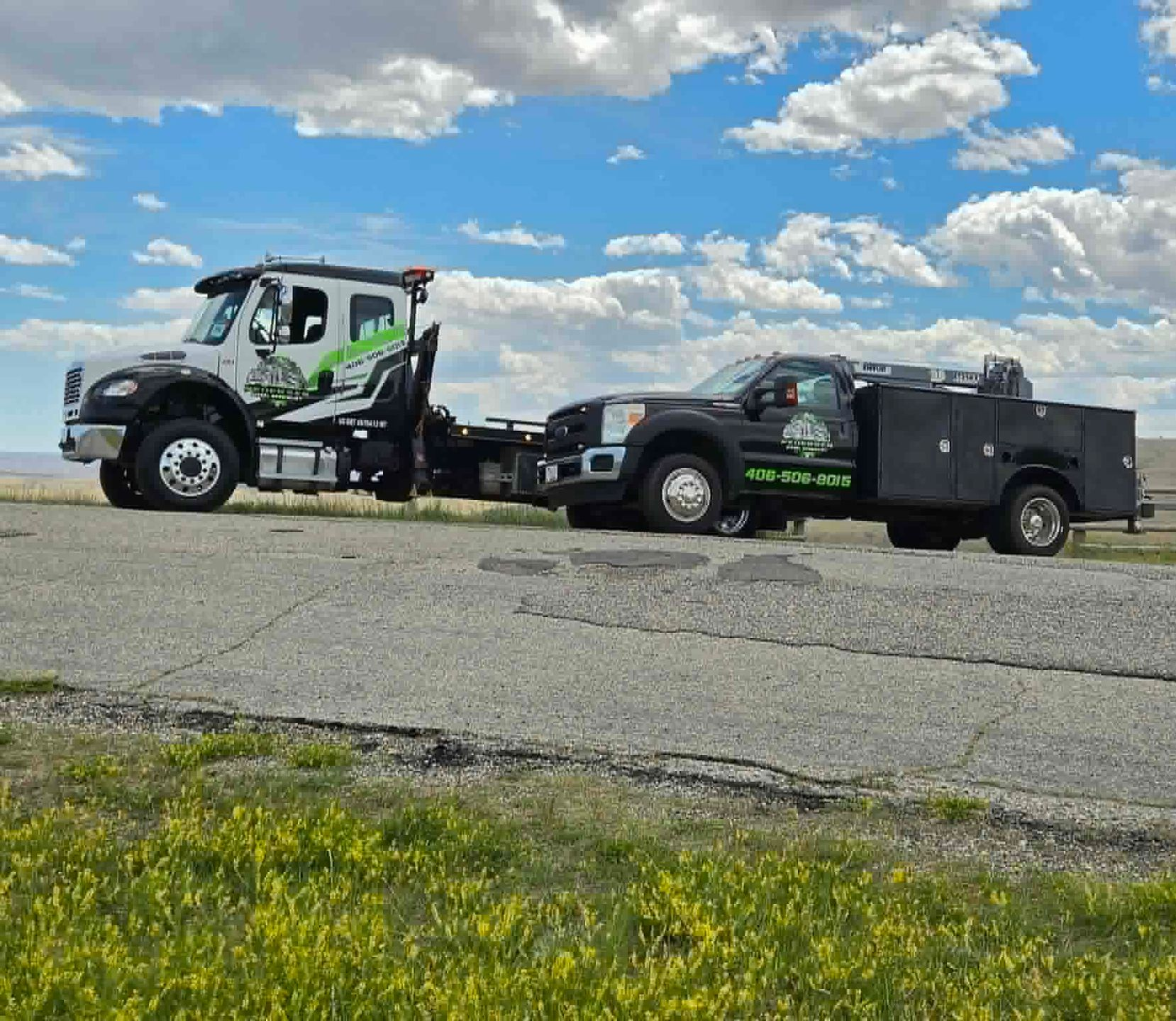
Light Duty Towing in Red Lodge for passenger vehicles, SUVs, and motorcycles stranded by mechanical failure or accidents
When your sedan won't start on a mountain highway or your crossover suffers a flat tire in tight parking, the vehicle needs safe transport without drivetrain damage or body contact. Pedersen Diesel Specialist handles light duty towing throughout Red Lodge and surrounding areas using flatbed and wheel-lift methods matched to your vehicle's ground clearance, drive configuration, and the recovery environment. Light duty towing covers any passenger vehicle under 10,000 pounds, including sedans, SUVs, crossovers, light pickups, motorcycles, and ATVs—each requiring specific securing techniques to prevent transmission strain or underbody scraping during loading and transit.
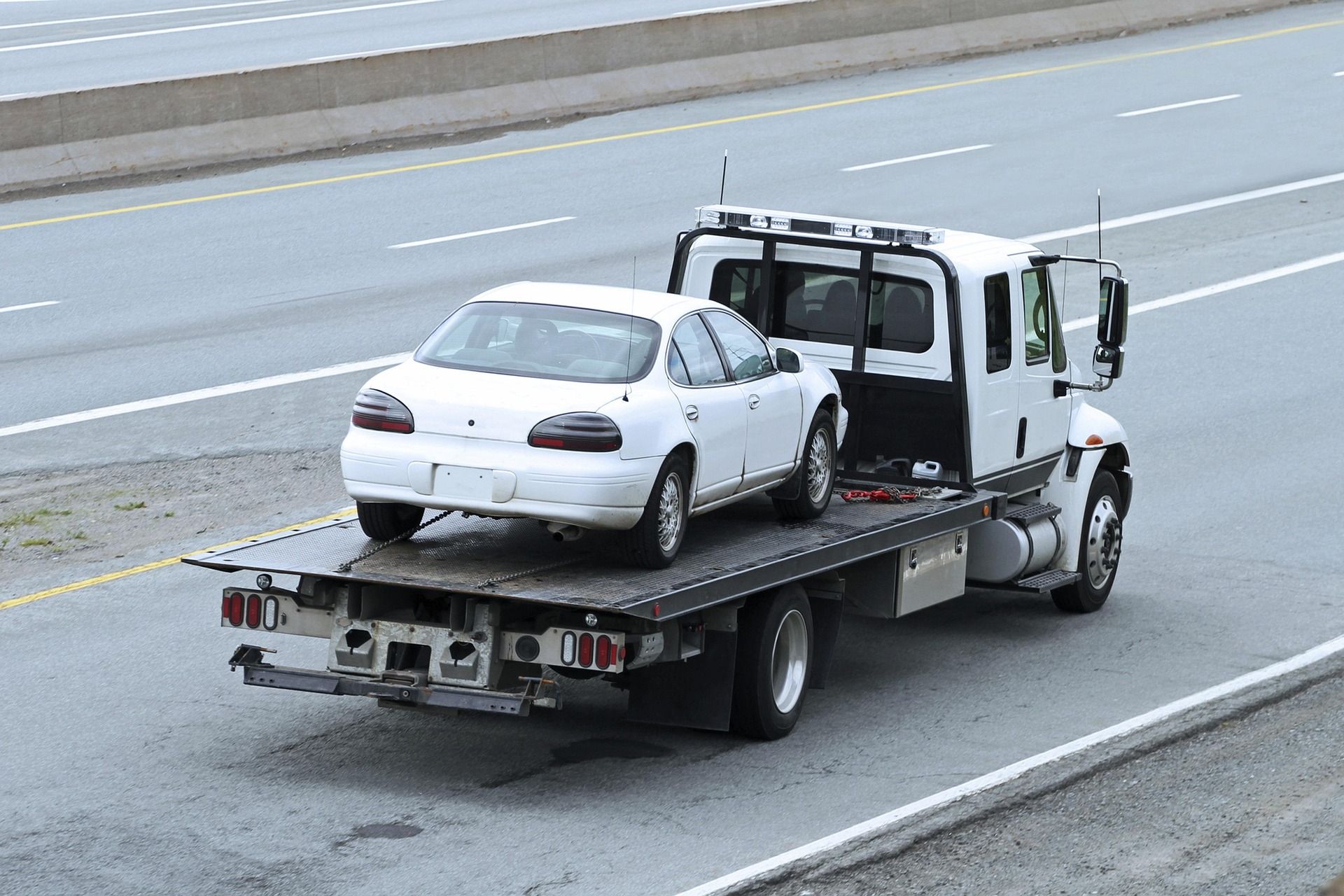
The choice between flatbed and wheel-lift towing depends on your vehicle's drivetrain and the space available at the breakdown site. Flatbed towing places all four wheels on the truck deck, eliminating road contact entirely, which protects all-wheel drive systems and low-clearance sports cars from mechanical damage. Wheel-lift towing secures the drive wheels while leaving the opposite pair on the pavement, offering maneuverability in narrow alleys or congested parking garages where a full flatbed cannot position itself. All-wheel drive and four-wheel drive vehicles always receive flatbed service or tow dollies to keep the entire drivetrain off the ground, preventing expensive transmission and differential failures caused by forced rotation during transport.
Schedule a flatbed dispatch if your vehicle sits lower than standard ride height or features permanent all-wheel drive.
Light duty tow trucks carry wheel-lift hardware, winch systems, and flatbed ramps designed for vehicles weighing less than five tons. When recovering a lowered sports car or classic vehicle, the flatbed uses wooden ramp extensions or adjustable low-angle loading surfaces to eliminate the steep incline that scrapes front bumpers and side skirts. The winch applies steady tension to guide the vehicle onto the deck without sudden jerks that damage fragile bodywork or suspension components.
After the vehicle is secured on the flatbed or lifted by the wheel-lift cradle, you'll notice the entire undercarriage remains protected from road debris, potholes, and uneven pavement that would otherwise contact dragging components. Chains and soft straps anchor the frame or suspension points—not fragile plastic fascias—so paint and trim stay intact during mountain grades and winding highway curves. The truck's hydraulic system keeps the load level, preventing shifting or tilting that stresses body panels or glass.
Light duty service includes roadside battery jumps and tire changes when those minor fixes can return the vehicle to operation immediately, but any sign of transmission trouble, locked brakes, or steering failure requires full towing to a repair facility. The dispatcher confirms your destination and verifies whether the vehicle can roll freely in neutral, which determines the towing method and equipment brought to the scene.
How Light Duty Equipment Handles Different Vehicle Configurations
Common Questions About This Service
Property owners and drivers across Red Lodge often ask how different towing methods protect specific vehicle types and what details speed up dispatch.
What vehicles are eligible for light-duty towing?
Light-duty towing covers standard passenger vehicles weighing under 10,000 pounds, including sedans, compact cars, SUVs, crossovers, minitrucks, light pickup trucks, motorcycles, and ATVs. Larger commercial vans, dually trucks, or heavy-duty work trucks require medium-duty towing equipment instead.
What is the difference between flatbed and wheel-lift towing for light-duty vehicles?
Flatbed towing drives or winches your entire vehicle onto the flat deck, keeping all four wheels off the ground, which is the safest method for luxury cars, low-clearance vehicles, and long-distance transport. Wheel-lift towing secures the vehicle by its drive wheels, leaving the other two wheels on the ground, making it highly maneuverable for extracting vehicles from tight parking garages, narrow streets, or congested parallel parking spots.
Can you safely tow all-wheel drive or four-wheel drive vehicles?
Yes, but they require specific handling because towing an AWD or 4WD vehicle with its drive wheels on the ground can cause severe transmission and drivetrain damage. For these vehicles, Pedersen Diesel Specialist always uses a flatbed tow truck or employs specialized tow dollies to ensure all four wheels remain completely off the road during transit.
Can light-duty tow trucks handle low-clearance or customized sports cars?
Absolutely, because standard tow trucks can easily scrape or damage low-hanging bumpers, side skirts, and sports suspension. We use specialized flatbeds equipped with low-angle loading ramps or wooden ramp extensions to provide a gentle, zero-clearance incline so your sports car, classic vehicle, or lowered ride is loaded without a single scratch.
What information should I have ready when calling for a light-duty tow?
To help dispatch the right truck and reach you as quickly as possible, have your exact location ready, such as a street address, highway mile marker, or major cross-streets, along with the make, model, and color of your vehicle, the key issue like a flat tire or dead battery, whether the vehicle can shift into neutral and if the wheels are locked, and your destination where you want the vehicle towed.
Mountain weather and steep grades around Red Lodge require towing equipment that handles variable traction and elevation changes without stressing your vehicle's frame or drivetrain. Pedersen Diesel Specialist matches the tow method to your vehicle's specifications and the recovery location, ensuring your car, truck, or motorcycle reaches the repair shop or your driveway in the same condition it left the breakdown site.